Young Designers at CYUT Reimagine Sustainability, Mobility, and Everyday Life
What can design do beyond creating attractive products? For graduating students in CYUT’s Department of Industrial Design, the answer lies in solving real-world problems through creativity, technology, and human-centered thinking.
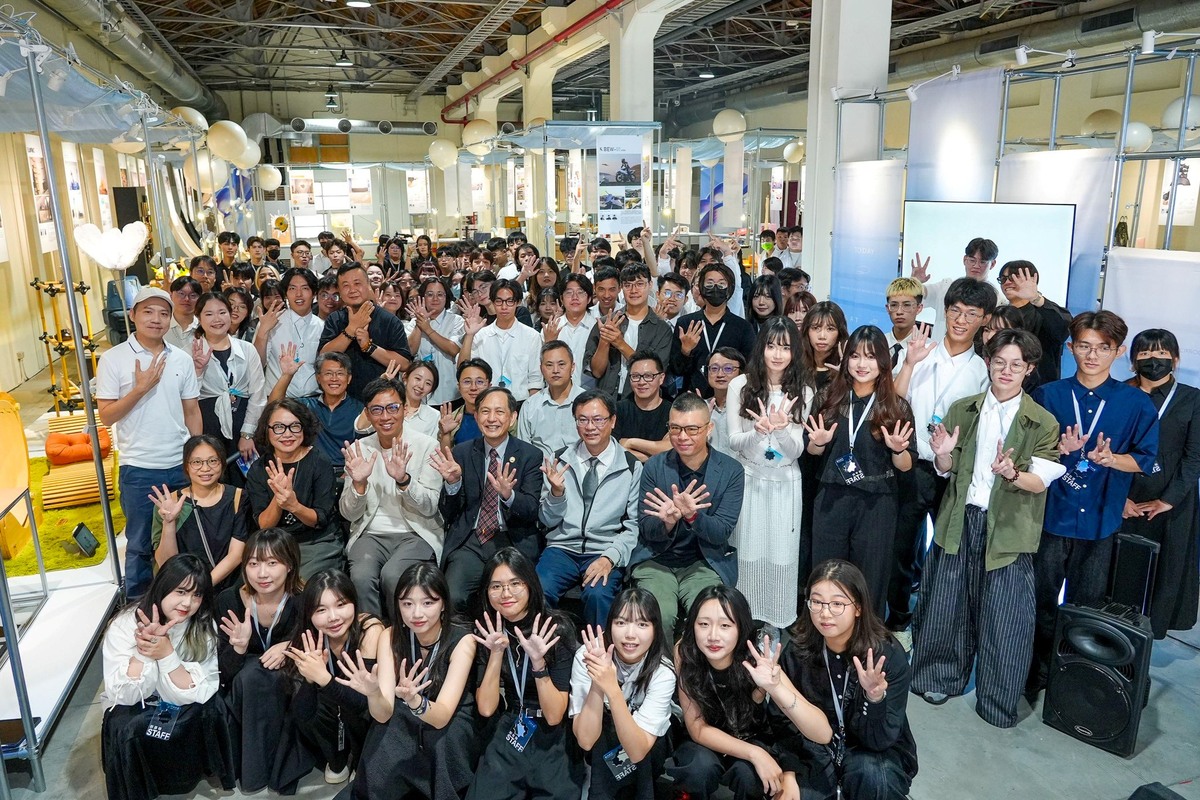
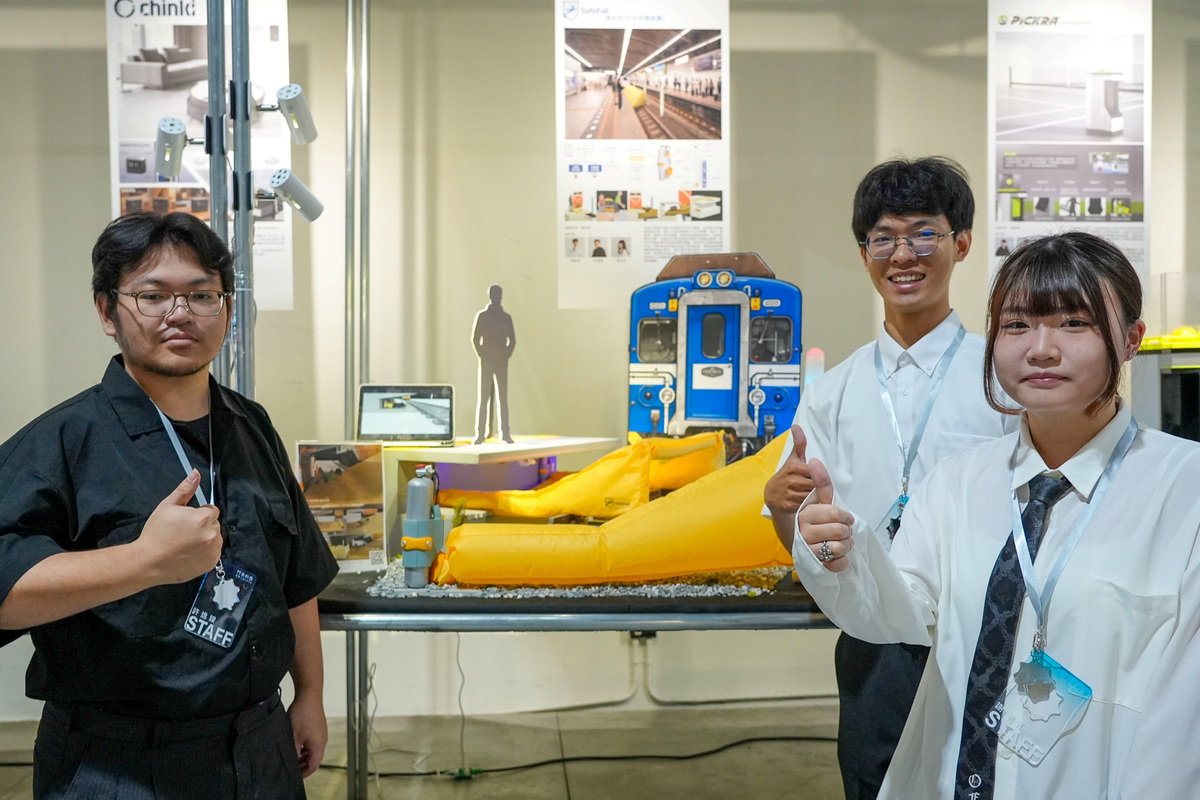
The department’s 29th graduation exhibition, Wandering Clouds, brings together 48 projects created by 118 students, showcasing ideas that range from sustainable agriculture and environmental protection to future mobility and cultural storytelling. Held at the Cultural Heritage Park of the Ministry of Culture, the exhibition reflects a new generation of designers increasingly concerned with how design can improve everyday life while responding to larger social and environmental challenges.
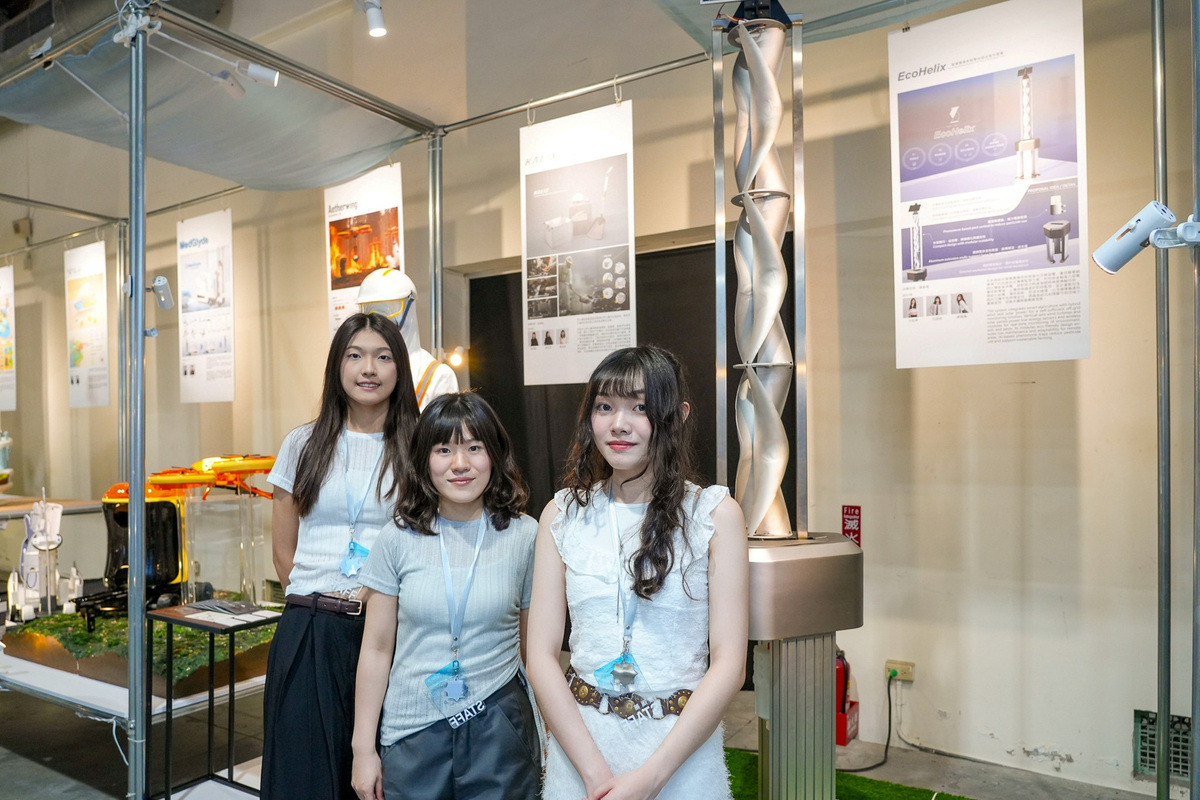
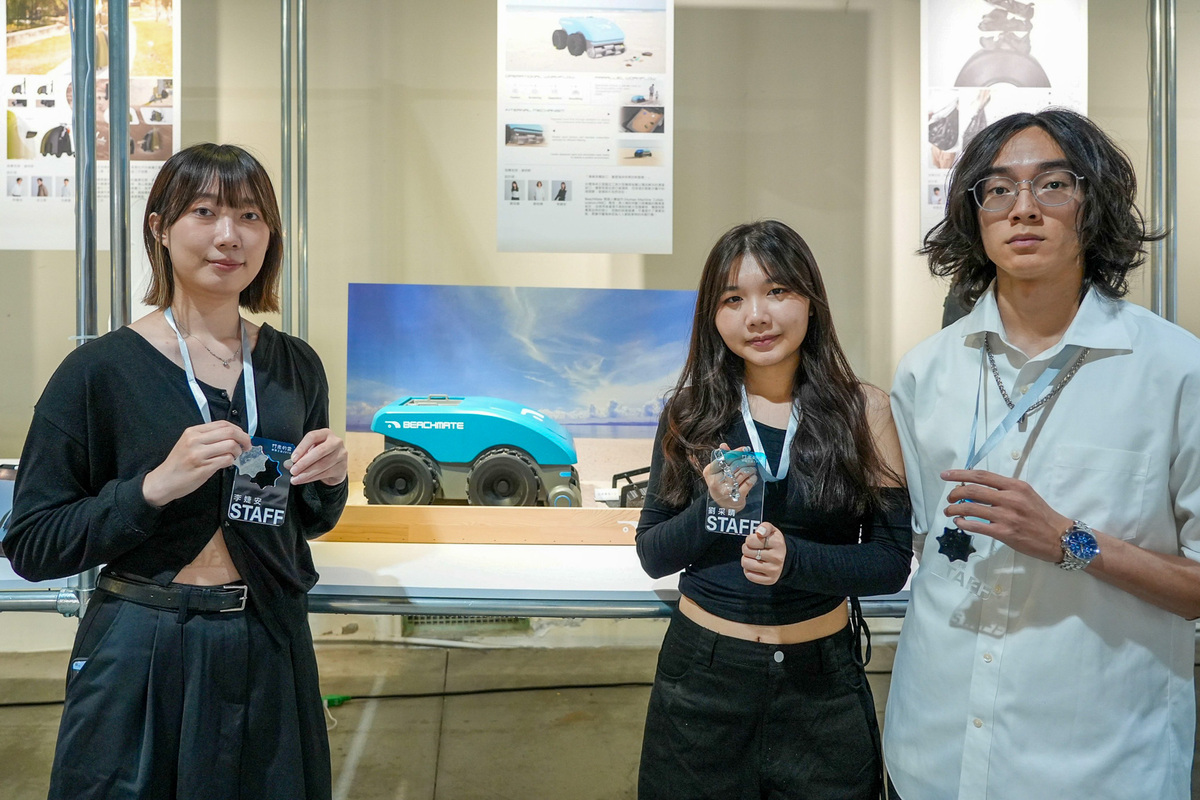
Several projects stood out for their strong blend of innovation and practicality. EcoHelix, for example, combines AI-powered monitoring systems with solar and wind energy technology to help farmers in remote areas track soil conditions, environmental changes, and pest activity while reducing pesticide use. The project was shortlisted for the 2026 Young Pin Design Award. Another project, BeachMate, tackles coastal pollution through a human-machine collaboration system designed to separate large beach debris from harmful microplastics and broken glass hidden beneath the sand. Rather than relying entirely on automation, the system emphasizes cooperation between users and intelligent machinery to improve both efficiency and safety.
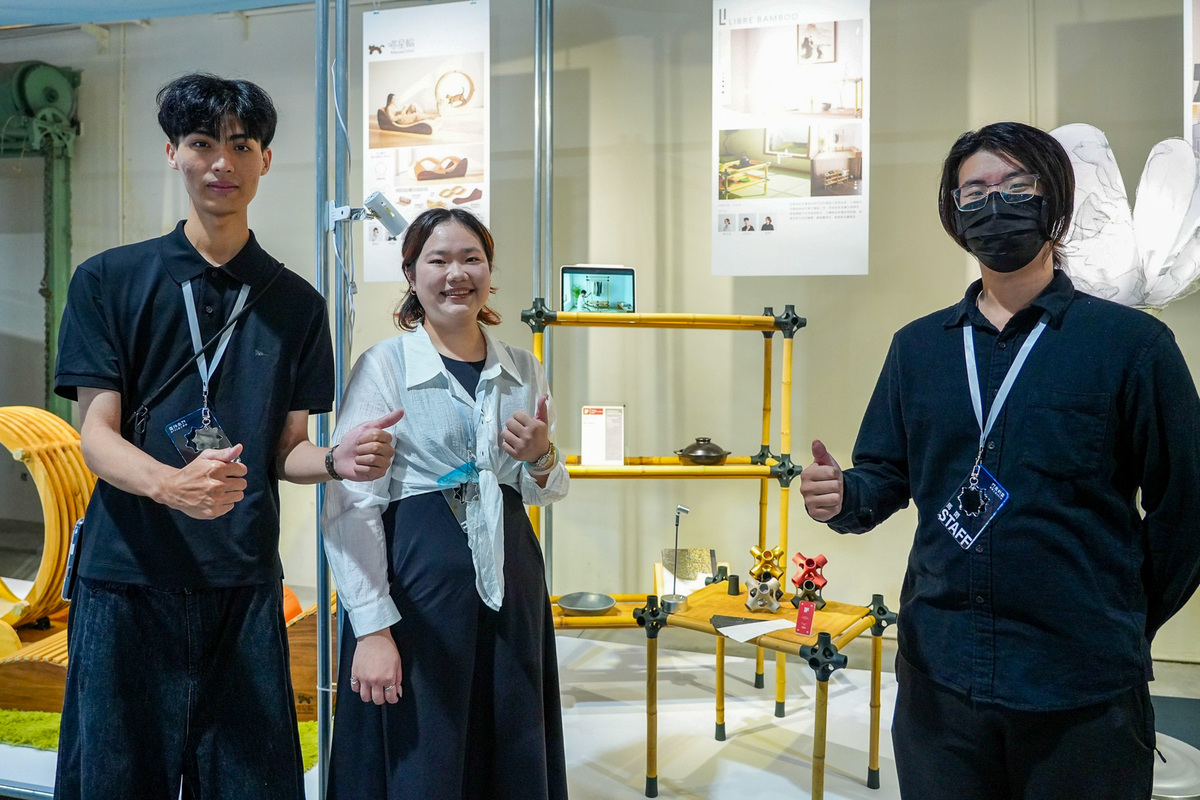
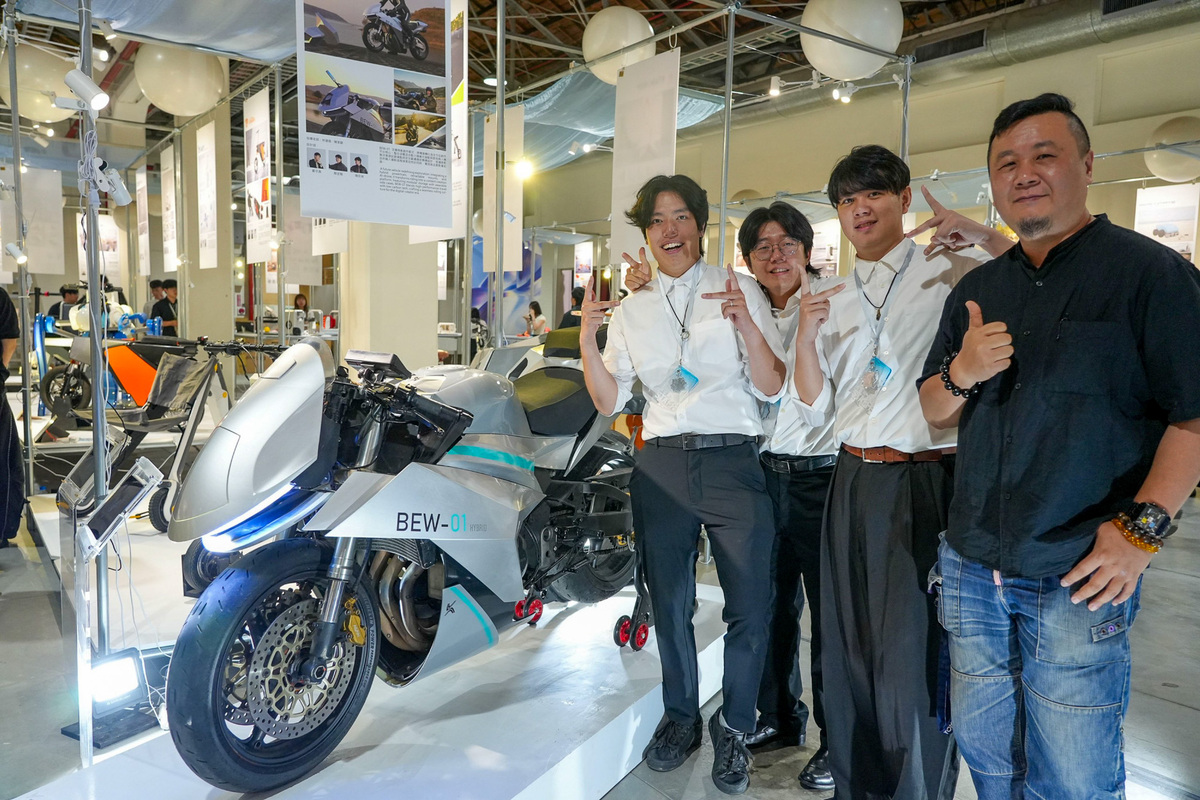
Mobility and creative lifestyles also emerged as major themes throughout the exhibition. BEW-01, recognized in the 2026 Young Pin Design Award and KYMCO Design Challenge Championship, reimagines motorcycles as mobile creative platforms by integrating hybrid power technology, hidden camera mounts, and drone-assisted filming systems. Meanwhile, Libre Bamboo, shortlisted for the German iF Student Design Award, modernizes traditional bamboo craftsmanship through a modular furniture system that allows users to quickly assemble tables, shelves, and display units while reducing material waste.
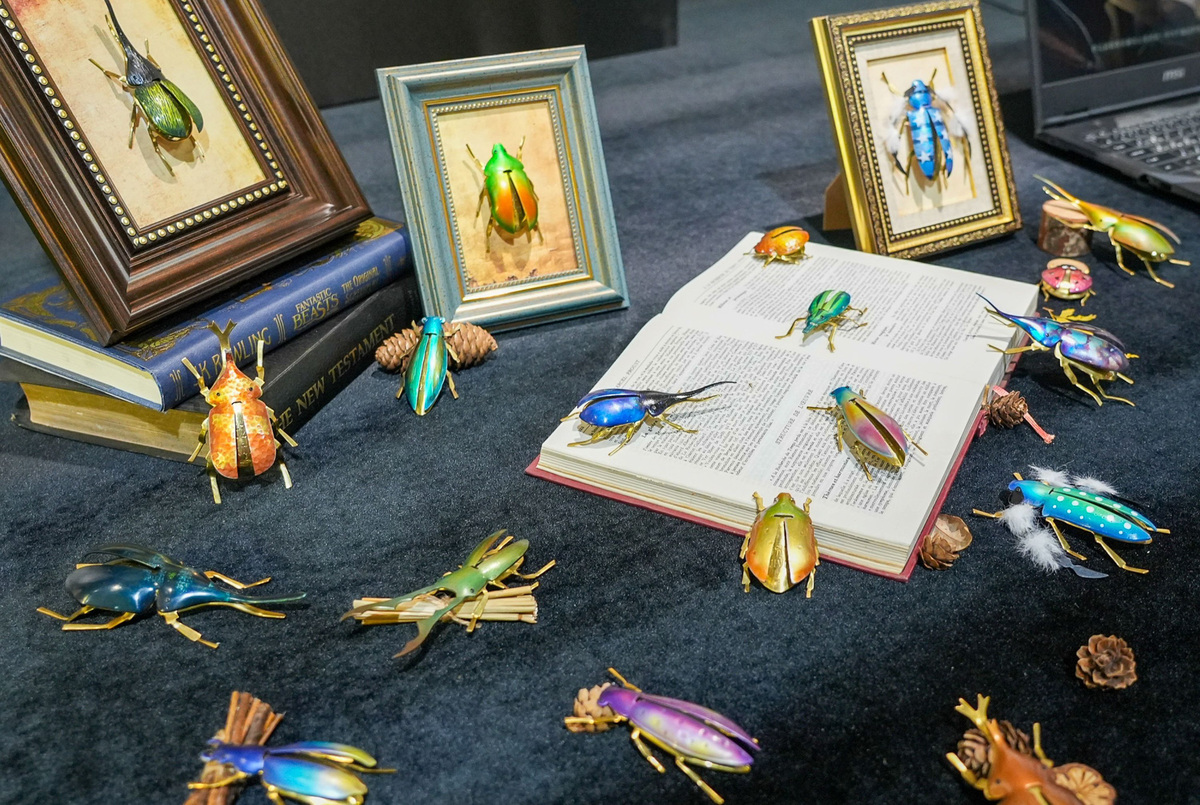
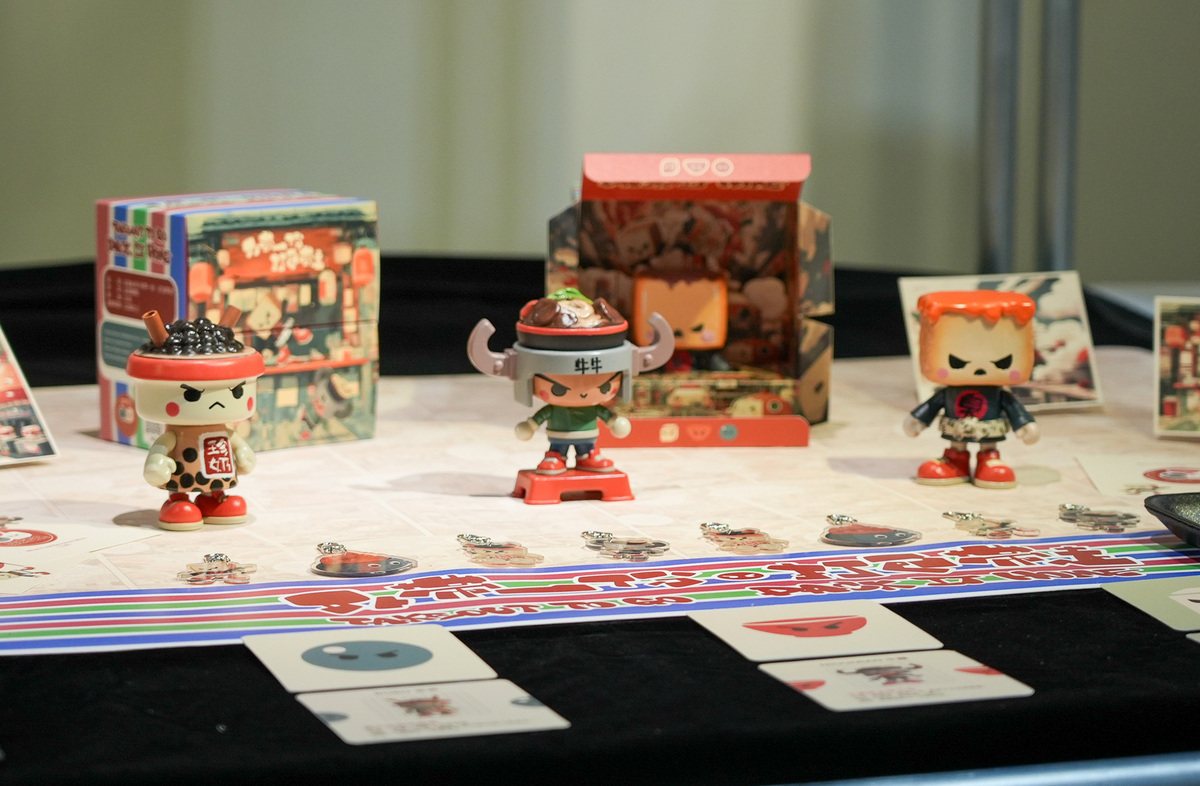
Other works explored the relationship between culture and design identity. Buggle transformed beetle-inspired forms into wearable talismans using advanced aluminum forging and anodizing techniques, blending industrial materials with symbolic storytelling. In a more playful interpretation of local culture, Takeout to Go-Pack it Home turned iconic Taiwanese street foods such as bubble tea, beef noodles, and stinky tofu into stylized character designs, demonstrating how familiar food culture can become a recognizable visual language.
Tai-Shen Huang, Dean of the College of Design, described the exhibition as more than a showcase of student creativity. He sees it as evidence of how design education is evolving beyond aesthetics alone. Throughout the exhibition, students demonstrated the ability to combine technology, materials, sustainability, and user experience into projects that address contemporary issues with both imagination and practical purpose.