CYUT Architecture Graduates Bring Fresh Vision to Future Spaces
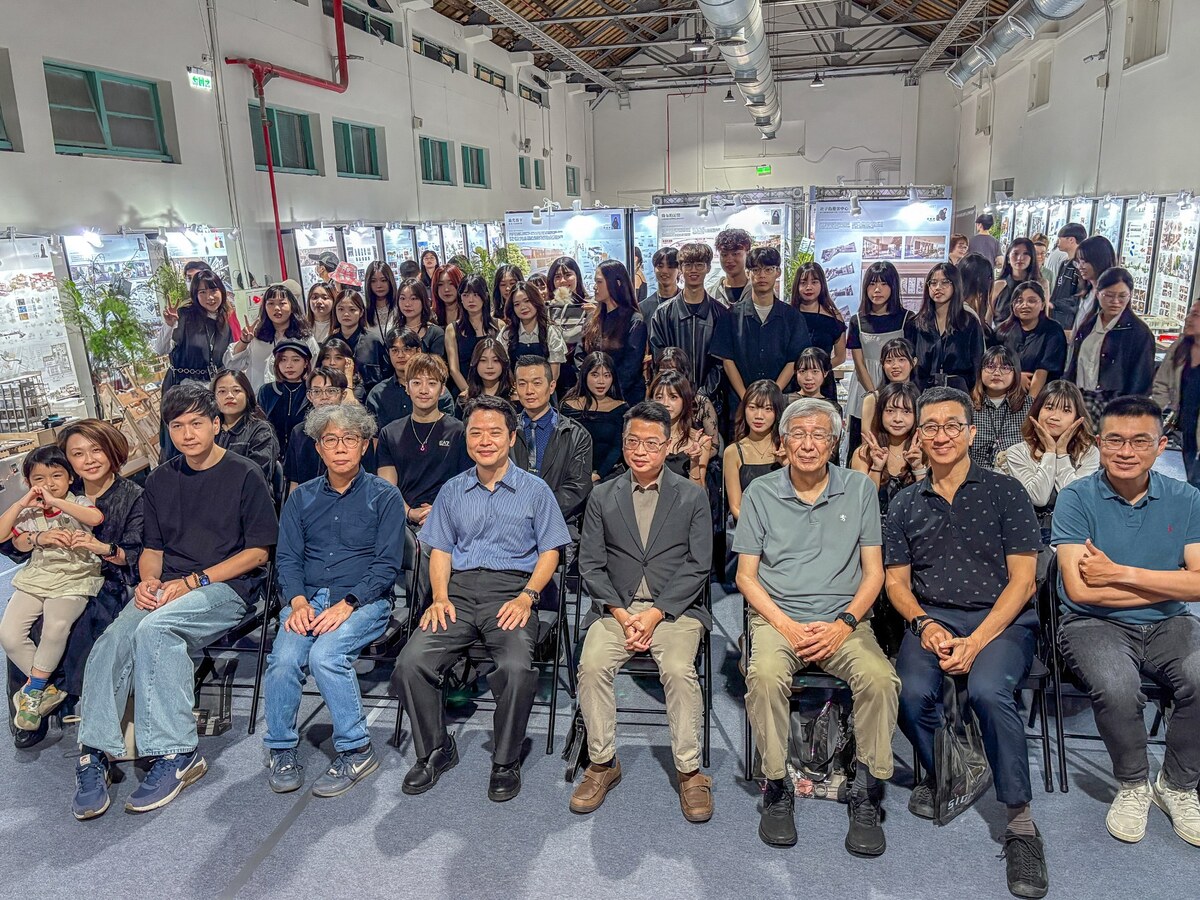
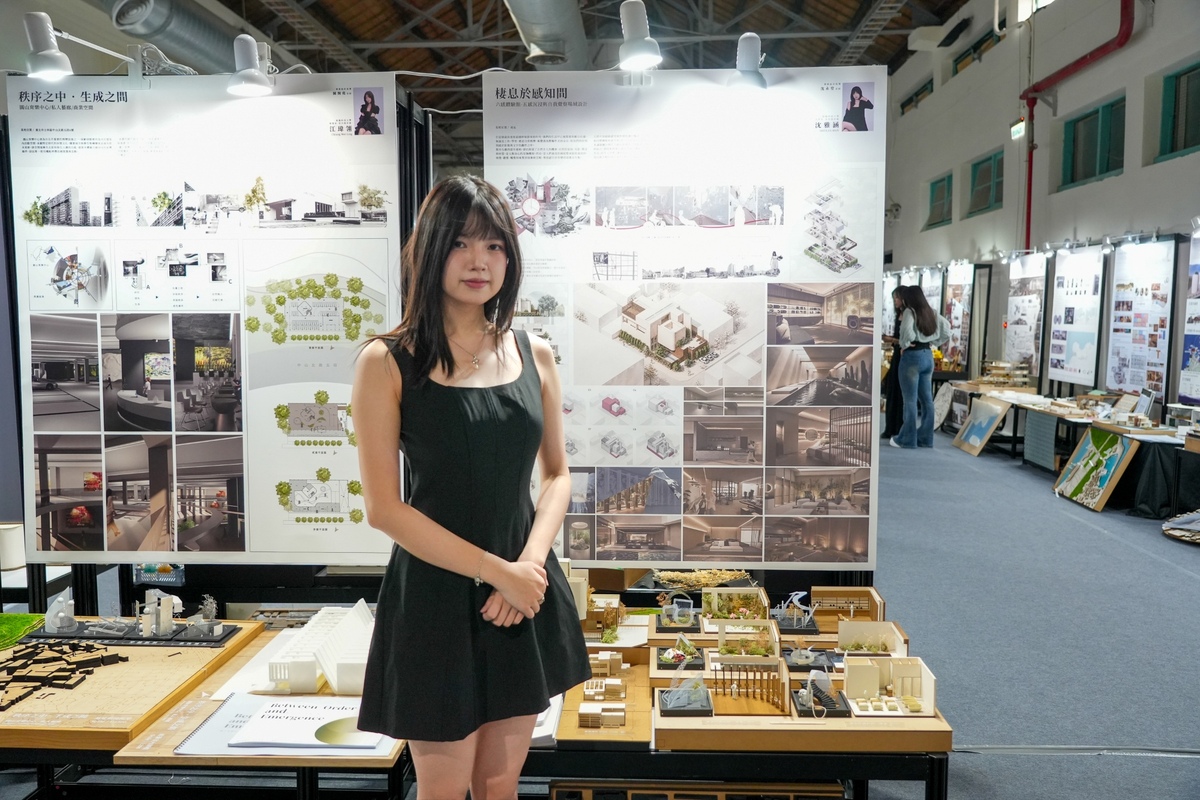
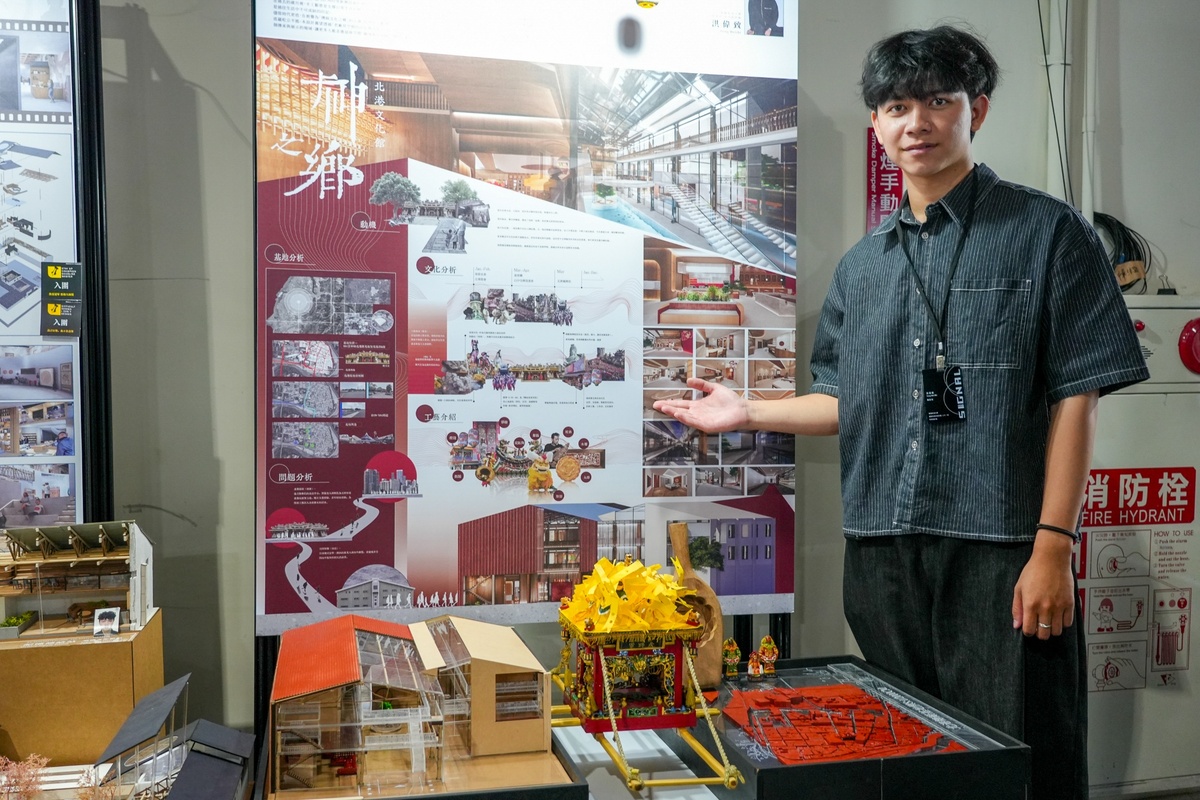
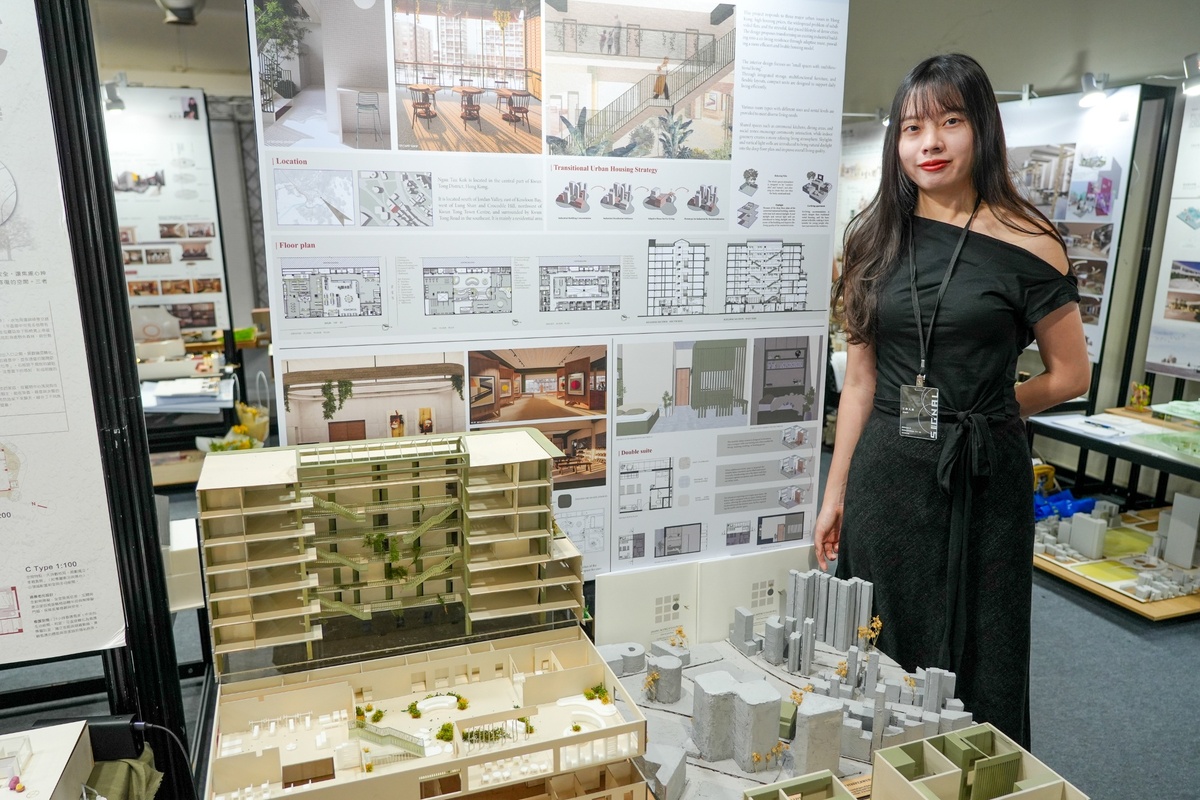
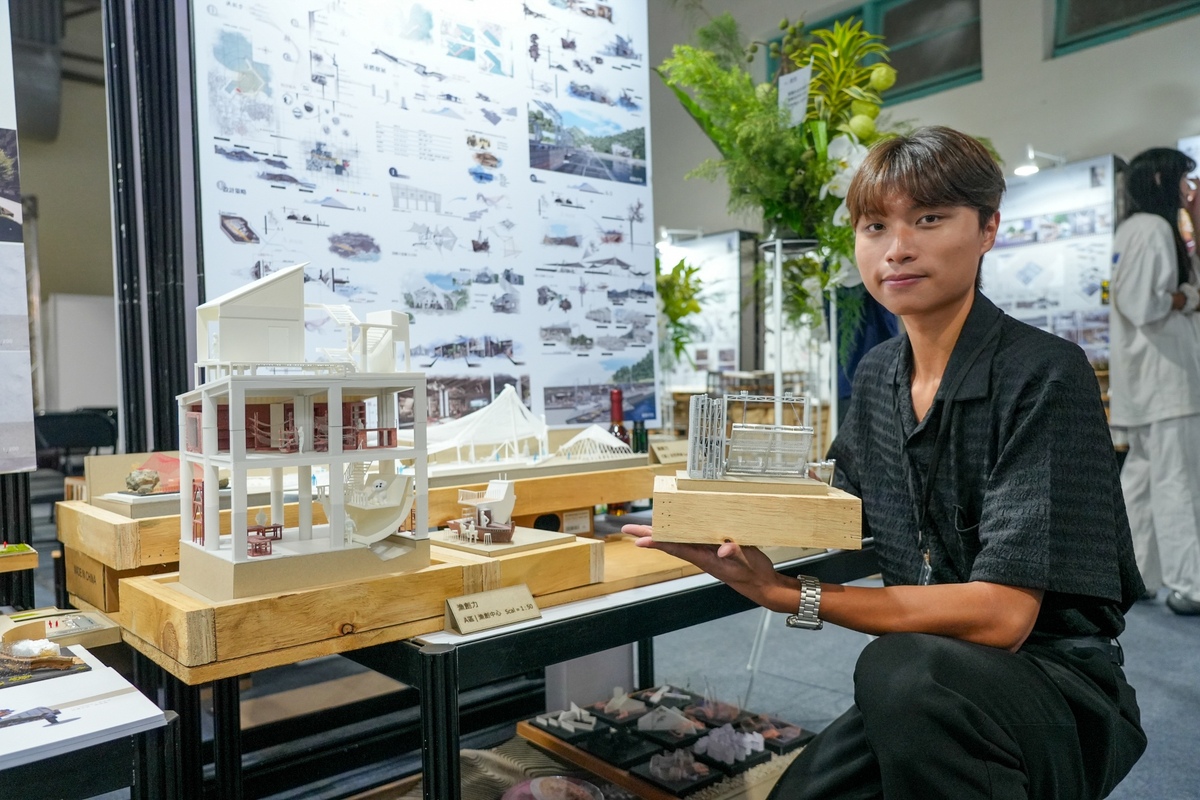
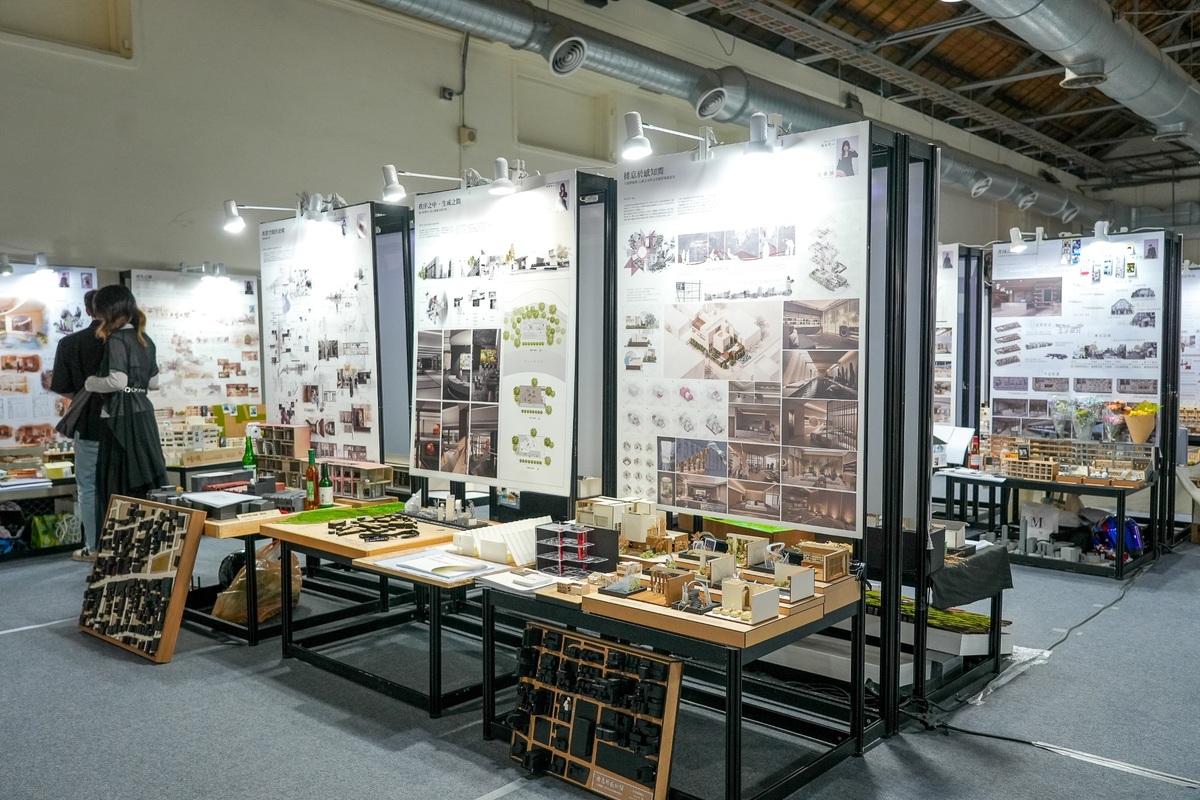
The 31st Graduation Exhibition of the Interior Design Program in CYUT’s Department of Architecture recently opened, featuring 52 student projects under the theme “Signal.” The exhibition explores how people connect with space, from large-scale urban renewal to personal sensory and emotional experiences. Through creative design concepts, the projects respond to social change, sustainability, and local culture, highlighting the students’ professional training and design development.
Department Chair Po-Yen Kuo said this year’s projects focus on local history, environmental awareness, and emotional spatial experience, bringing design beyond aesthetics into cultural memory, social care, and daily life. Featured projects include the transformation of Nanliao Fishing Harbor into a cultural and community space, the reuse of the abandoned Beigang Sugar Factory through Mazu and craft culture, and the reimagining of Tainan’s Xinhua Old Street through new commercial and spatial possibilities. Other works explore co-living in Hong Kong, immersive sensory spaces, Alishan tea culture, community learning, and the reuse of old spaces through memory and local identity.
The department has also built a strong record of professional achievement, with more than 220 alumni earning architect licenses in Taiwan, the highest pass record among private technological universities. In recent years, students have also received strong recognition in the Architecture MasterPrize and major design competitions in Taiwan, winning around 50 awards each year.
CYUT President Tao-Ming Cheng said the exhibition reflects the university’s commitment to international and interdisciplinary learning. The department has built strong partnerships with overseas sister schools through dual-degree programs, study tours, and English-taught graduation design studios. He highlighted that the exhibition is not only the conclusion of four years of study, but also the beginning of the graduates’ role in shaping future cities, spaces, and communities with creativity and human-centered design.