CYUT Earns Recognition in THE Sustainability Impact Ratings for SDG Commitment
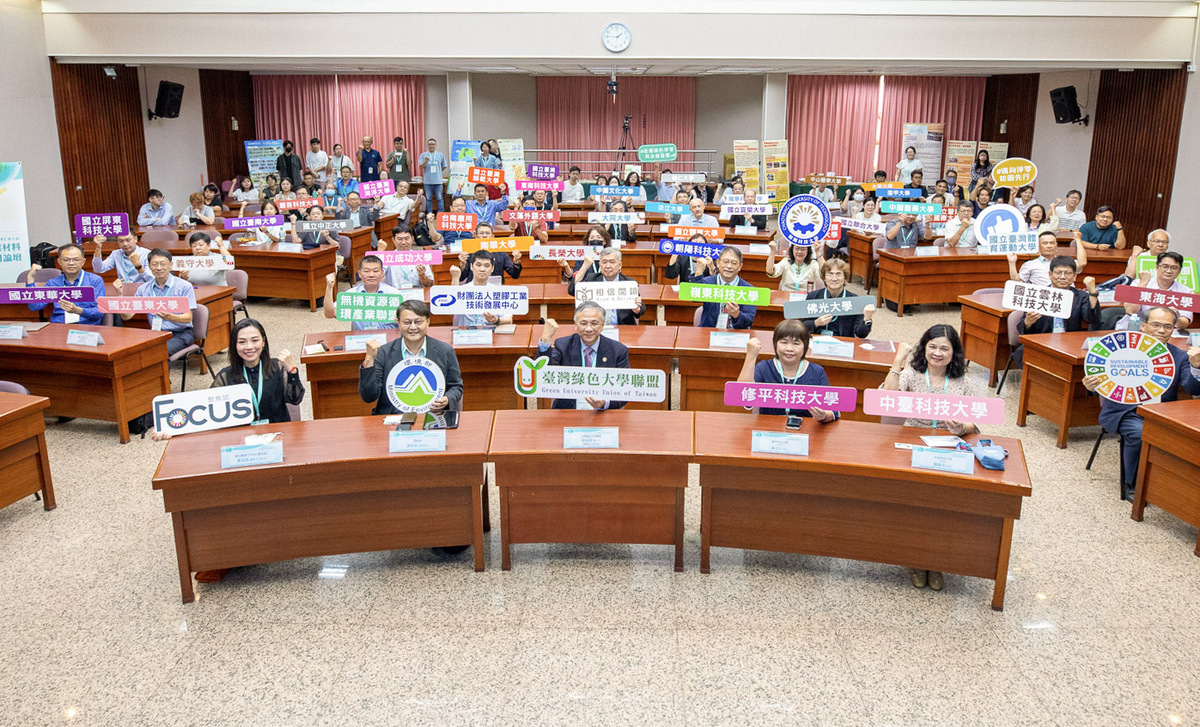

CYUT has once again been listed in the Times Higher Education (THE) 2026 Sustainability Impact Ratings. This year, 1,646 universities from 116 countries took part in the rating. CYUT is the only private technological university in Taiwan to be included for eight consecutive years, highlighting the university’s long-term commitment to sustainable development and the outstanding efforts of its faculty and students.
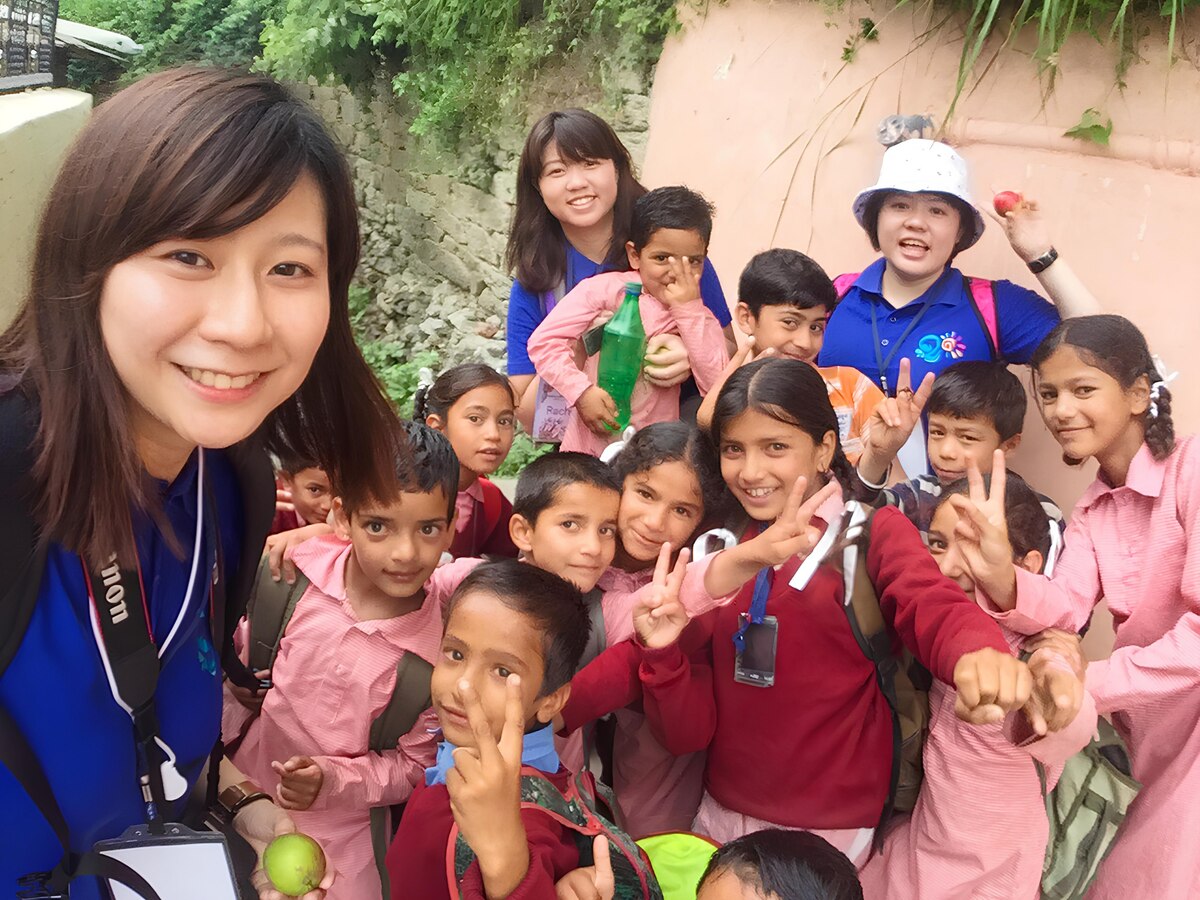
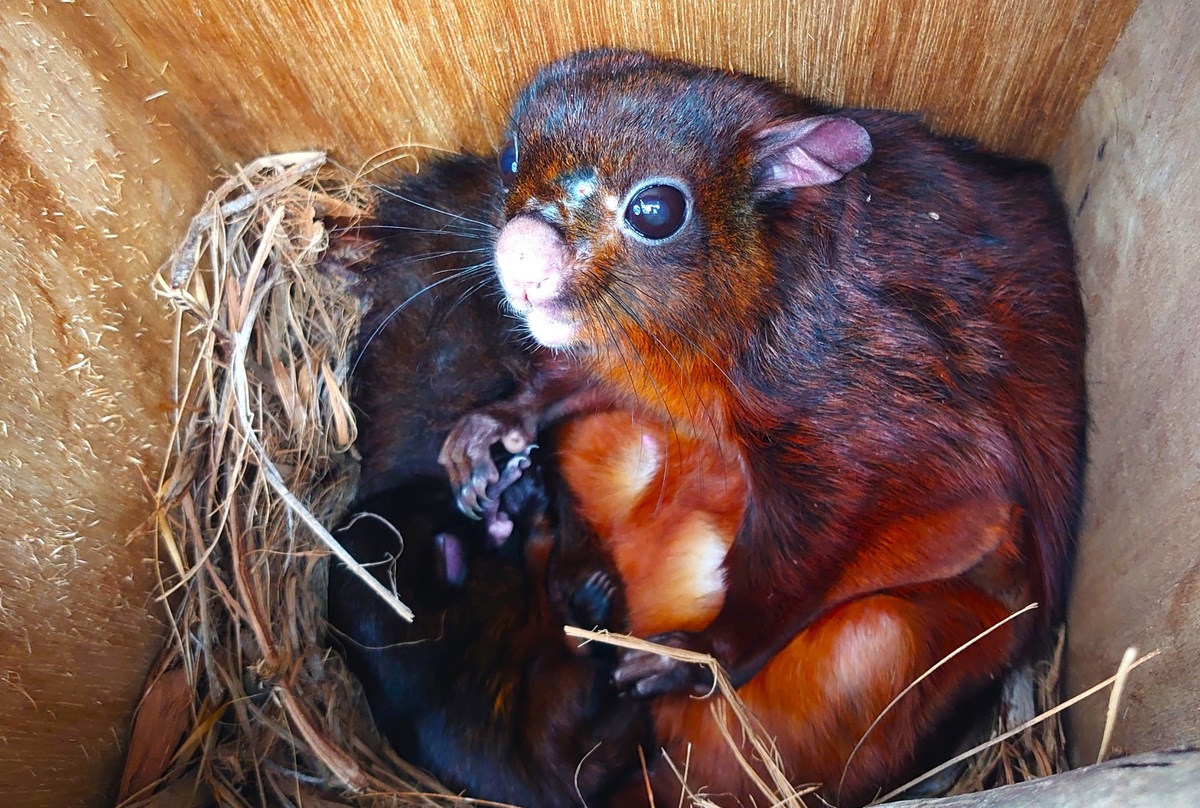
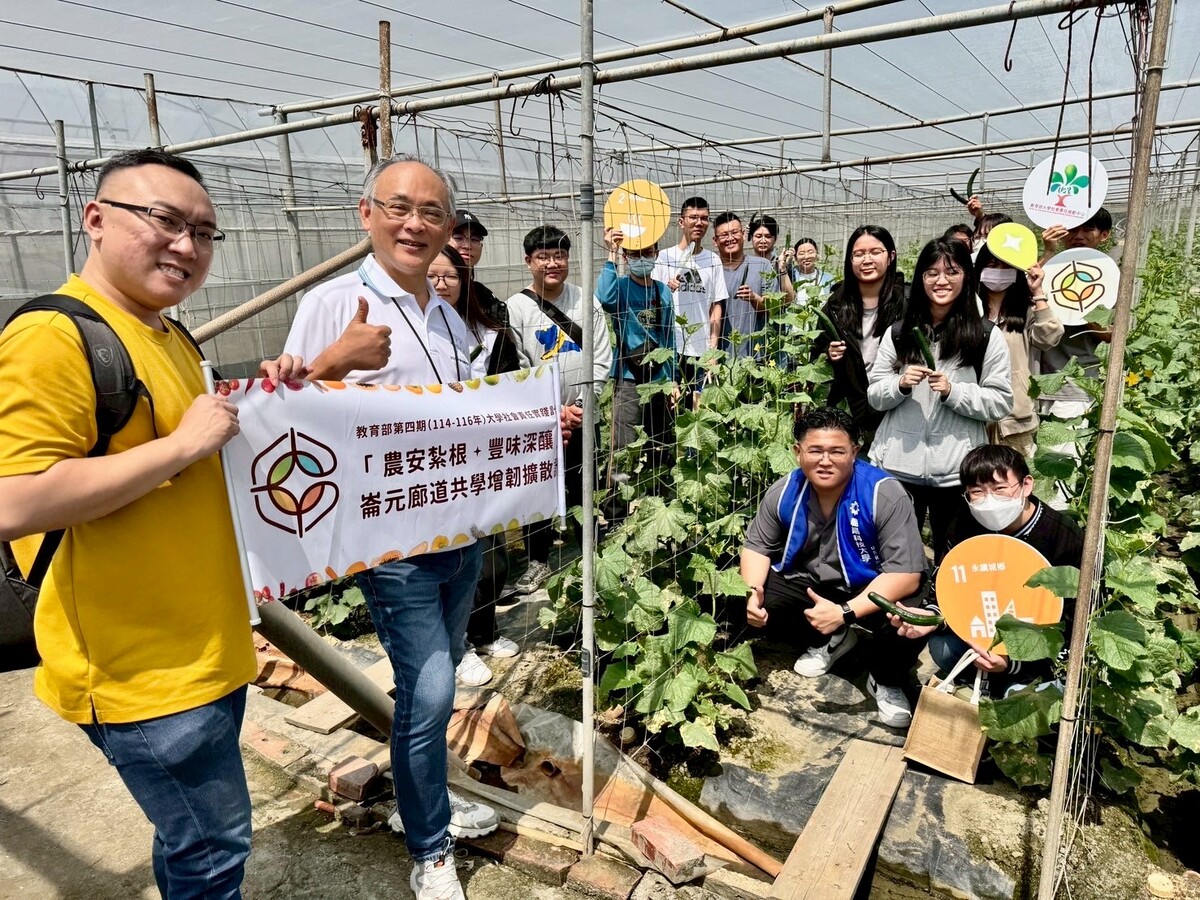
President Tao-Ming Cheng stated that the 2026 Sustainability Impact Ratings evaluate universities based on their contributions to the United Nations Sustainable Development Goals (SDGs). This year, CYUT performed especially well in SDG 2: Zero Hunger, SDG 6: Clean Water and Sanitation, SDG 10: Reduced Inequalities, and SDG 15: Life on Land, ranking 101–200 globally in all four categories. The university also ranked 201–300 globally in SDG 1: No Poverty, SDG 4: Quality Education, and SDG 12: Responsible Consumption and Production. Through its University Social Responsibility (USR) initiatives, CYUT has made meaningful contributions in areas such as rural revitalization, organic agriculture, water recycling, educational support for disadvantaged students, biodiversity protection, and international volunteer service.
In recent years, CYUT has integrated the SDGs into its institutional development and worked to build a more sustainable and international campus. The university has reduced its annual energy use by 2%, announced a goal of achieving net-zero emissions by 2045, and offered more than 4,000 sustainability-related courses. In addition to its strong performance in THE’s sustainability ratings, CYUT has also been ranked among the global Top 50 in the UI GreenMetric World University Rankings and listed in the 2026 QS World University Rankings: Sustainability for the third consecutive year as Taiwan’s only private technological university on the list. Moving forward, CYUT will continue to promote agricultural waste reuse, green circular economy practices, food and agricultural education, and river protection initiatives, encouraging more people to take part in building a more sustainable future.