CYUT Ranks Among World's Top 50 Green Universities
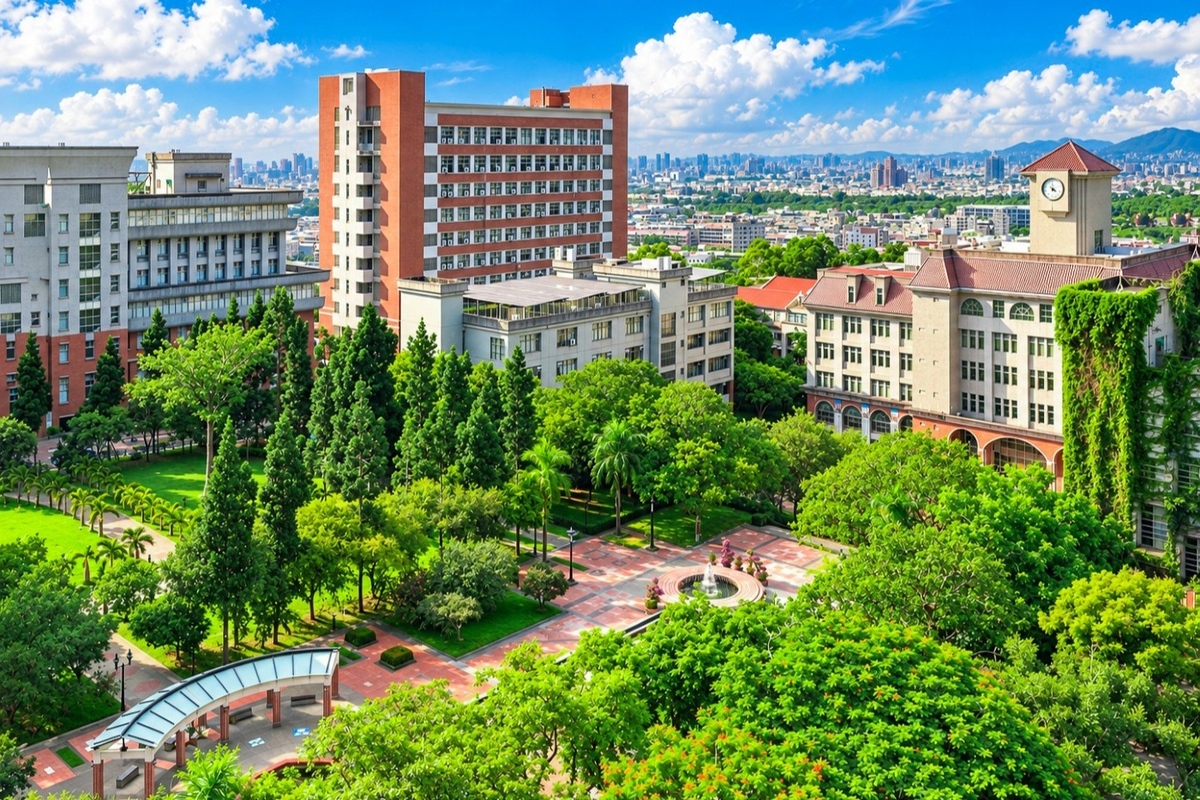
CYUT ranked 46th worldwide in the 2026 UI GreenMetric World University Rankings, moving up three places from last year and remaining in the global top 100 for the tenth consecutive year. Among 2,016 universities from 110 countries, CYUT ranked No. 1 among Taiwan’s private technological universities. It also topped all technological universities in Taiwan in both Energy and Climate Change and the newly introduced Governance and Digitalization category.
CYUT President Tao-Ming Cheng said sustainability has become a core part of the university’s governance, education, and social responsibility. CYUT has incorporated the UN Sustainable Development Goals into its long-term development strategy and has also been recognized in the Times Higher Education Impact Rankings for eight consecutive years and the QS Sustainability Rankings for three consecutive years. The university continues to strengthen ESG governance, digital transformation, cybersecurity, AI applications, and smart campus development.
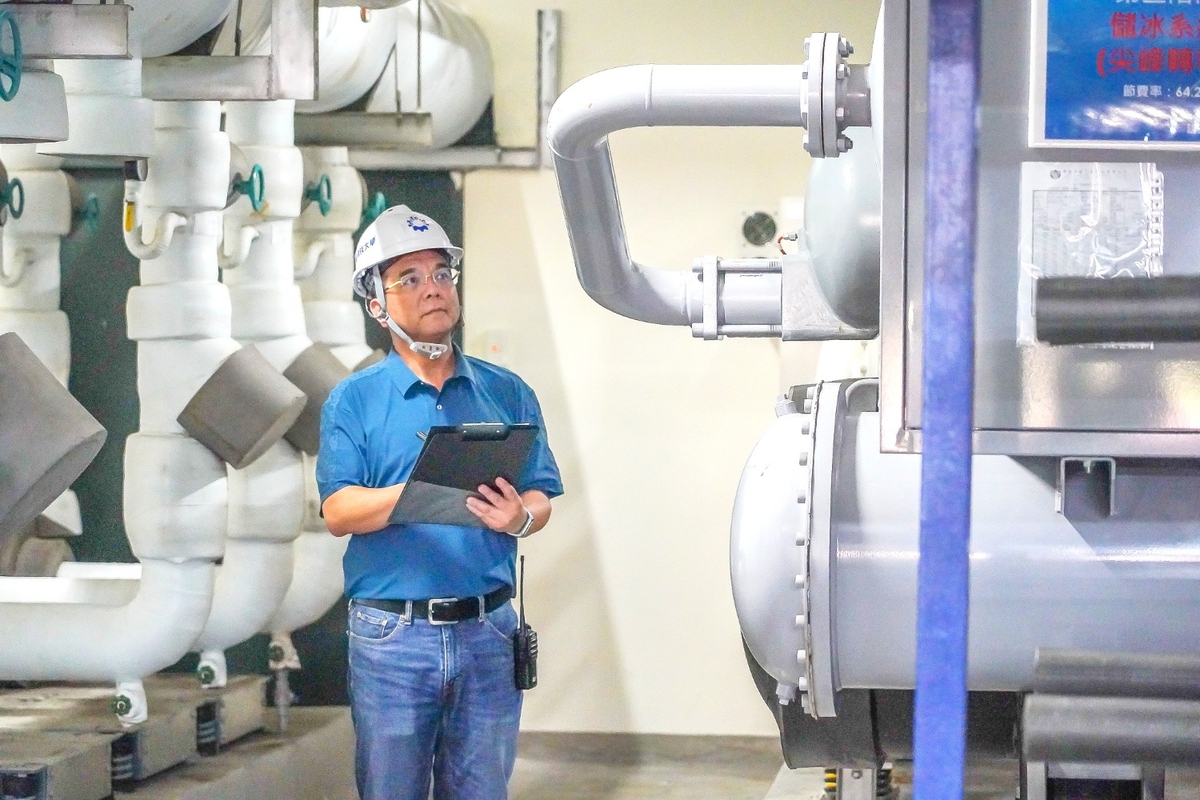
To build a low-carbon campus, CYUT has adopted ISO 14001 and ISO 50001 management systems and now monitors more than 95% of campus electricity use through its intelligent energy network. The university has also introduced energy-efficient chillers, solar power, and other renewable energy solutions. Since 2008, electricity consumption has fallen by more than 41.4%, while carbon emissions have been reduced by 53.5%, supporting CYUT’s goal of achieving net-zero emissions by 2045.
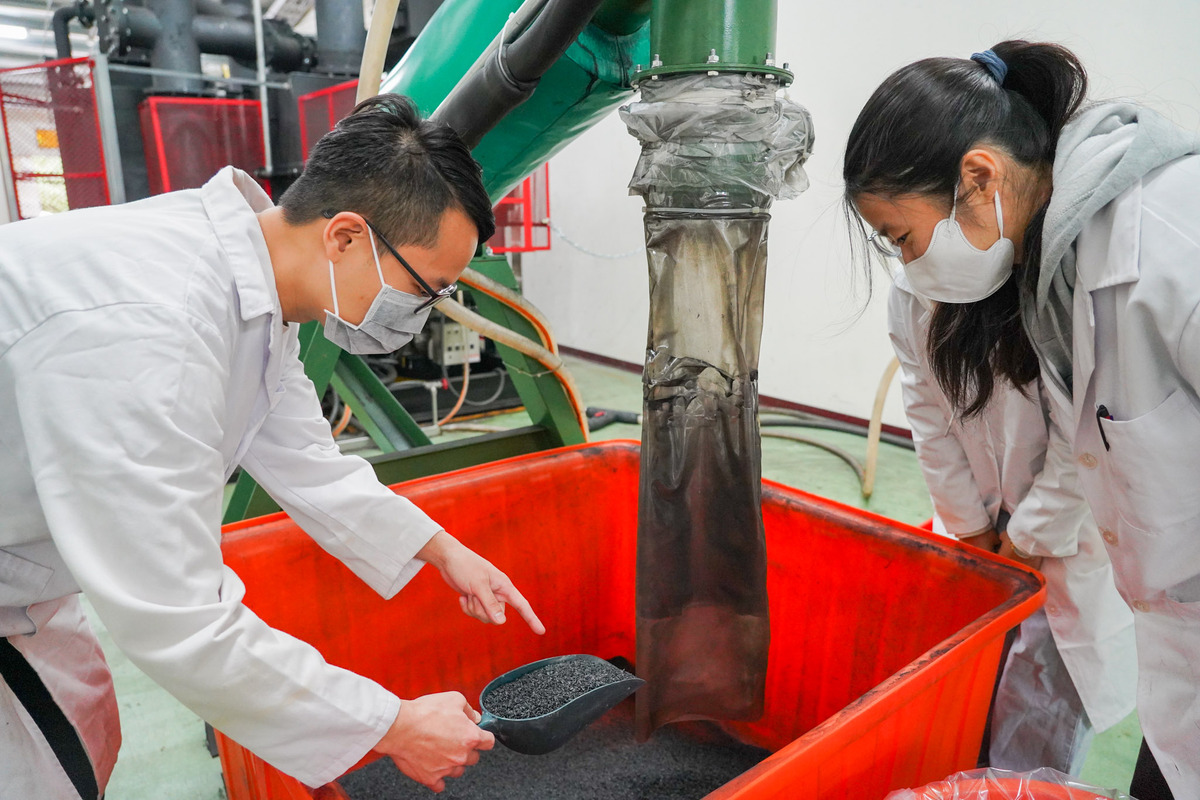
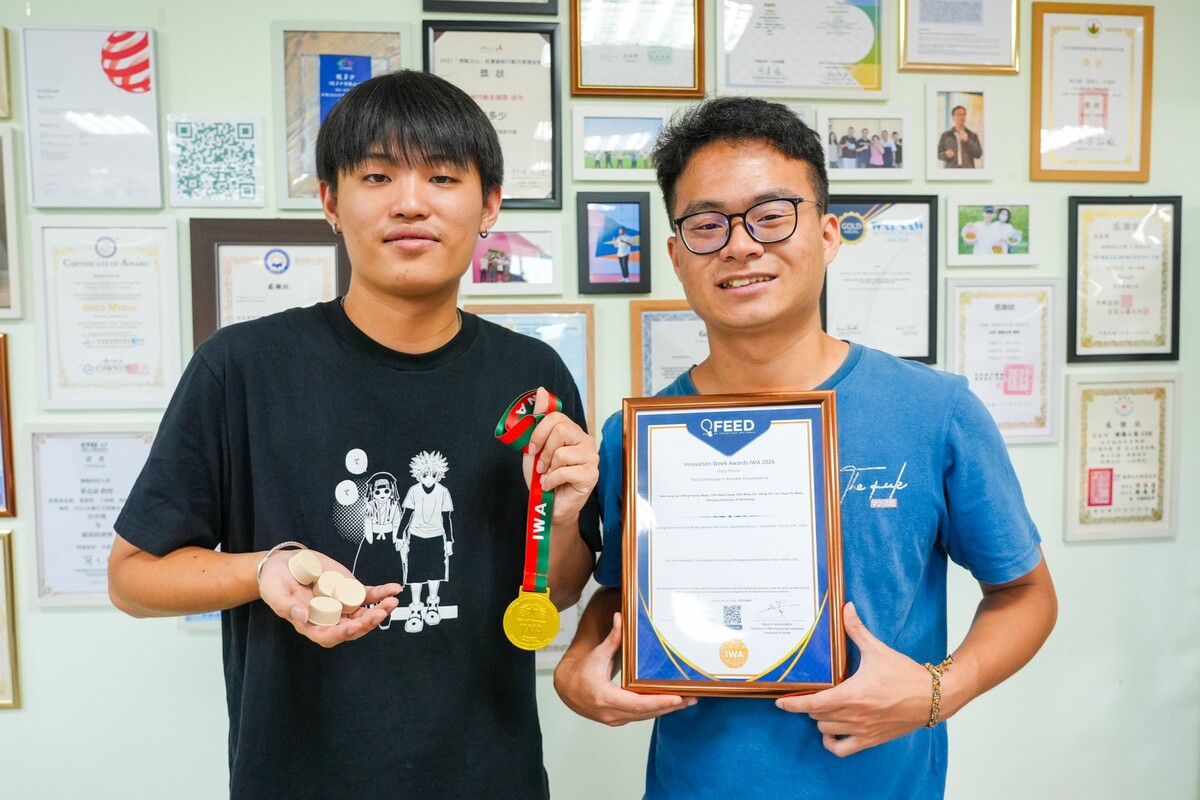
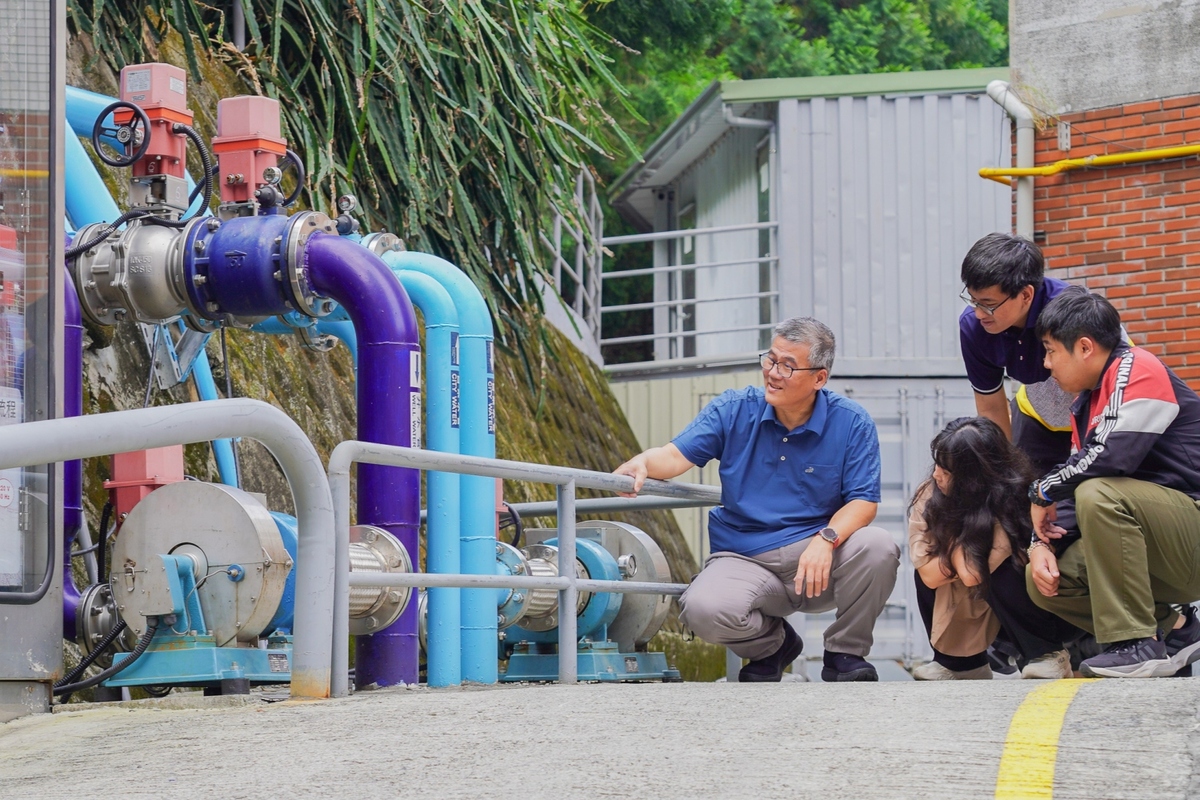
CYUT is also advancing circular resource management and water conservation across campus. It established Taiwan’s first campus-based Carbon Recycling Center, which converts agricultural waste into biochar for soil improvement and environmental applications, while faculty and students have developed award-winning eco-friendly materials such as biodegradable bamboo-fiber bottle caps, plastic-free agricultural mulch, and plastic-free 3D printing materials. At the same time, real-time water monitoring, routine inspections, wastewater reuse, and systematic conservation measures have helped improve water efficiency, creating a more comprehensive sustainable campus system.